Author's details
- Alabi Temidayo Esther.
- BSc. Chemistry. M.sc Medicinal and Organic Chemistry.
- National Health fellow Odo-Otun LGA Osun state.
Reviewer's details
- Dr. Khashau Eleburuike.
- MBBS (Ilorin) MSc. Global Health Karolinska Institutet. SFAM, Socialstyrelsen.
- Consultant in family medicine in Norrbotten County, Sweden.
- Date Published: 2026-06-06
- Date Updated: 2026-06-06
Unsafe Sexual Behaviour in Adolescents in Sub-Saharan Africa
Key Messages
- Unsafe sexual behaviour in adolescence increases the risk of sexually transmitted infections (STIs), HIV, unplanned pregnancy, unsafe abortion, and school interruption.
- In sub-Saharan Africa, risk is shaped not only by individual choices, but also by poverty, gender inequality, early marriage, limited access to youth-friendly services, and gaps in sexuality education.
- Adolescents do better when they receive accurate information, practical life skills, confidential counselling, and respectful health services.
- Parents, caregivers, schools, faith leaders, community leaders, and health workers all have a role in protecting adolescents and supporting healthy decisions.
- The most effective responses in African settings are culturally sensitive, evidence-based, and linked to real services adolescents can use safely and without stigma.
Adolescence is a period of rapid physical, emotional, and social change. In sub-Saharan Africa, adolescents make up a large share of the population, and their sexual and reproductive health is an important public health priority. Across the region, unsafe sexual behaviour contributes to a high burden of HIV, other sexually transmitted infections (STIs), adolescent pregnancy, unsafe abortion, school dropout, and poor long-term social outcomes. African data also show that these risks are not evenly distributed: girls, adolescents living in poverty, those out of school, and those living in rural or fragile settings often face greater vulnerability. A patient-appropriate discussion in the sub-Saharan African context should therefore recognise the influence of family, culture, religion, gender norms, safety, and access to care, while still giving adolescents practical and respectful information.
Why This Matters in Sub-Saharan Africa
Unsafe sexual behaviour among adolescents in sub-Saharan Africa is influenced by several overlapping factors. These include limited comprehensive sexuality education, stigma around discussing sex, weak parent–adolescent communication, poverty, child marriage, sexual coercion, gender inequality, and difficulty accessing confidential youth-friendly services. In some settings, adolescents may also face pressure related to social media, peer norms, or transactional relationships linked to economic hardship. African and regional evidence shows that these structural factors are central to understanding why risk persists, especially among girls and other vulnerable adolescents.
This means prevention should not focus only on telling adolescents what not to do. It should also improve school retention, reduce violence and exploitation, support caregiver communication, and ensure adolescents can obtain accurate information, condoms and contraception where appropriate, HIV testing, STI care, and counselling in a respectful and confidential manner. WHO guidance for the African Region and recent African studies consistently support this broader, rights-based and youth-friendly approach.
What Is Unsafe Sexual Behaviour in Adolescents?
Unsafe sexual behaviour refers to sexual practices that increase the likelihood of harm. In adolescents, this may include sex without a condom, inconsistent or incorrect use of contraception, early sexual debut, multiple sexual partners, sex under the influence of alcohol or drugs, coerced sex, and transactional sex. These behaviours can lead to STIs including HIV, unplanned pregnancy, unsafe abortion, emotional distress, interrupted education, and in severe cases, injury or death. In sub-Saharan Africa, the consequences may be worsened by delayed care-seeking, stigma, and limited access to safe reproductive health services.
Main Drivers in the Sub-Saharan African Context
- Limited access to accurate, age-appropriate, comprehensive sexuality education in schools and communities.
- Poor communication between adolescents and parents or caregivers about relationships, consent, contraception, and protection.
- Poverty and economic dependence, which may contribute to transactional sex or staying in unsafe relationships.
- Gender inequality, sexual violence, and unequal power in relationships, especially affecting girls.
- Early marriage and early childbearing in some settings.
- Alcohol and substance use, which can impair judgement and increase coercion or unprotected sex.
- Limited availability of confidential, affordable, adolescent-friendly health services.
- Peer pressure, misinformation, and exposure to sexual content without guidance on safety, consent, and consequences.
Common Forms of Unsafe Sexual Behaviour
- Sex without a condom.
- Sexual debut at a very early age.
- Multiple or concurrent sexual partnerships.
- Transactional or survival sex.
- Sex when intoxicated by alcohol or other substances.
- Inconsistent or incorrect use of contraception.
- Coerced, forced, or non-consensual sexual activity.
How Adolescents Can Be Better Protected
- Provide accurate, age-appropriate sexuality education that covers abstinence, consent, healthy relationships, condoms, contraception, HIV, and STI prevention.
- Support open, non-judgmental communication between adolescents and trusted adults.
- Improve access to confidential, affordable, adolescent-friendly sexual and reproductive health services.
- Keep girls and boys in school and reduce barriers such as poverty, school fees, and gender-based violence.
- Strengthen community programmes that address stigma, harmful gender norms, and sexual exploitation.
- Promote condom use and contraception where appropriate, and ensure adolescents know where to seek help after unprotected sex, assault, or STI symptoms.
- Use peer-led and digital interventions carefully, ensuring they provide correct information rather than misinformation.
- Enforce laws and safeguarding systems that protect adolescents from abuse, coercion, trafficking, and child marriage.
Practical Advice for Patients, Parents, and Caregivers
For adolescents, the safest approach is to seek trustworthy information early, avoid pressure from peers or partners, and ask for help promptly after risky sex, sexual assault, or symptoms such as genital sores, unusual discharge, pain on urination, or missed periods. For parents and caregivers, calm and respectful discussion is more protective than silence or punishment. For health workers, care should be confidential, non-stigmatising, and suitable for the adolescent’s age, language, literacy level, and social situation.
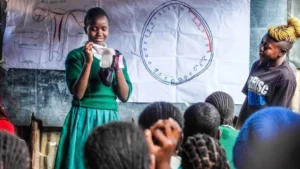
Unsafe sexual behaviour among adolescents remains a major health and social challenge in sub-Saharan Africa. However, it is preventable. The strongest responses combine accurate information, supportive families, safer schools, economic and social protection, gender-sensitive approaches, and accessible adolescent-friendly services. Information about unsafe sexual behaviour in this region should therefore be respectful, practical, and grounded in the realities of African adolescents’ lives rather than relying only on generic global statements.