
Author's details
- Alabi Temidayo Esther.
- BSc. Chemistry. M.sc Medicinal and Organic Chemistry.
- National Health fellow Odo-Otun LGA Osun state.
Reviewer's details
- Dr. Khashau Eleburuike.
- MBBS (Ilorin) MSc. Global Health Karolinska Institutet. SFAM, Socialstyrelsen.
- Consultant in family medicine in Norrbotten County, Sweden.
- Date Published: 2026-06-05
- Date Updated: 2026-06-05
Bullying
Key Messages
- Bullying is repeated harmful behaviour that involves a power imbalance and can happen at school, at home, in the community, or online.
- Bullying can harm emotional wellbeing, school performance, sleep, confidence, and relationships; some children and adolescents may also develop anxiety, depression, or thoughts of self-harm.
- In sub-Saharan Africa, bullying may be shaped by overcrowded schools, boarding-school hierarchies, harsh discipline, community violence, stigma, and increasing phone and social media use.
- Bullying is not a normal part of growing up and should not be ignored; early support from caregivers, teachers, school leaders, health workers, and trusted community members can reduce harm.
- Prevention works best when families, schools, faith and community leaders, and governments act together to build safe, respectful, and inclusive environments for children and adolescents.
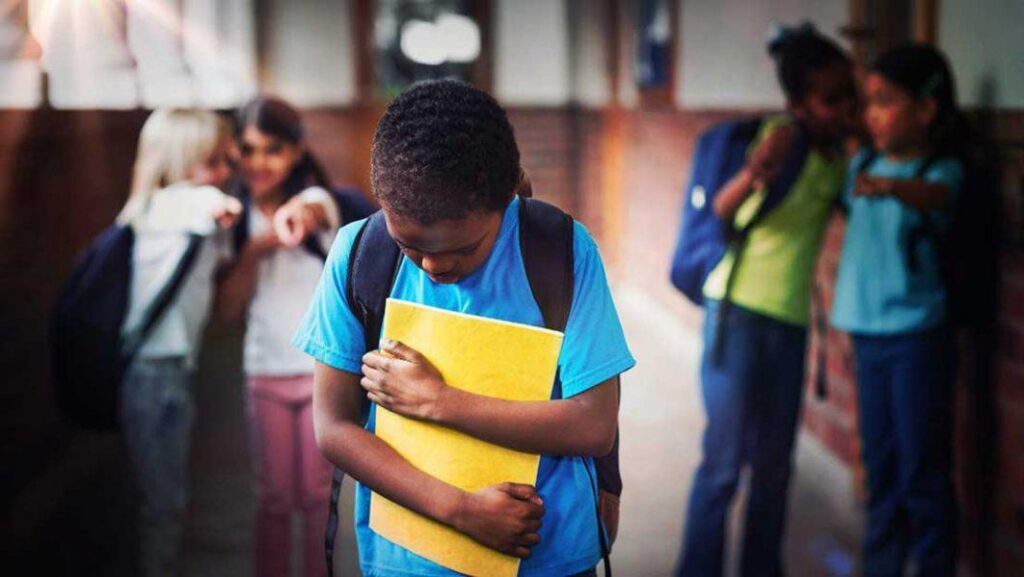
Bullying is an important public health, education, and child protection issue. It includes repeated behaviour intended to hurt, frighten, shame, exclude, or control another person, usually where there is a real or perceived difference in power. Bullying can happen face to face or through phones and social media, and it can affect children, adolescents, and adults.
For many children and adolescents in sub-Saharan Africa, bullying occurs within everyday settings such as classrooms, playgrounds, dormitories, routes to school, neighbourhoods, and online spaces. Local studies from countries including Ghana, Nigeria, Kenya, and South Africa show that bullying and cyberbullying are common and are linked to poor mental health, reduced academic engagement, absenteeism, and other harms. Because many victims fear stigma, blame, or retaliation, bullying is often underreported.
Why bullying matters
Bullying is more than teasing or conflict between equals. It can lead to fear, humiliation, loneliness, low self-esteem, poor concentration, and difficulty attending or enjoying school. Some children and adolescents may develop depression, anxiety, sleep problems, physical complaints, or thoughts of self-harm. Children who bully others may also be at risk of later behavioural, social, and academic problems.
The impact is not limited to the individual child. Bullying can create fear in classrooms, reduce trust in adults, weaken peer relationships, and make schools feel unsafe. This is especially important in settings where resources for counselling and mental health support are limited.
In sub-Saharan Africa, bullying may be influenced by overcrowded classrooms, boarding-school power hierarchies, harsh punishment, peer pressure, poverty, disability-related stigma, gender-based mistreatment, and exposure to violence in the home or community. In some settings, older students may intimidate younger students through physical aggression, extortion, forced errands, exclusion, or humiliation.
Cyberbullying is also increasing as mobile phone and internet access expand. Harm may include insulting messages, spreading rumours, sharing embarrassing images or private information without permission, impersonation, or repeated harassment in group chats and on social media platforms.
Effective action requires a coordinated response from families, schools, health services, child protection services, faith and community leaders, and government. Clear school rules, safe reporting systems, supportive adults, and early intervention can reduce harm and help children feel protected.
What is bullying?
Bullying is repeated aggressive behaviour by an individual or group against someone who is less powerful or less able to defend themselves.
Bullying usually has three main features:
- Repeated actions
- Power imbalance
- Deliberate harm
It may be physical, verbal, social, psychological, or digital.
Common risk factors
Several factors can increase the risk of bullying:
- Family stress or harsh parenting: Children exposed to violence, intimidation, neglect, or severe punishment may be more likely to bully others or to be vulnerable to bullying.
- Peer pressure: Some children bully to gain approval, status, or a sense of belonging.
- Desire for power and control: Bullying may be used to dominate or intimidate others.
- Emotional or behavioural difficulties: Some children who bully may also struggle with anger, insecurity, poor impulse control, or previous trauma.
- Exposure to violent or humiliating behaviour: This may occur in media, at school, in the home, or in the community.
- Weak school supervision or unclear discipline systems: Bullying is more likely to be where adults are absent, inconsistent, or safe reporting channels do not exist.
- Stigma and discrimination: Children may be targeted because of disability, social class, language, migration status, school performance, or other visible differences.
Common types of bullying
- Verbal bullying: Insults, mocking, threats, repeated teasing, or humiliating comments.
- Physical bullying: Hitting, kicking, pushing, tripping, taking belongings, or damaging property.
- Social or relational bullying: Excluding someone, spreading rumours, public embarrassment, or damaging friendships and reputation.
- Cyberbullying: Bullying through phones, messaging apps, gaming platforms, social media, or email.
- Psychological or emotional bullying: Intimidation, manipulation, repeated fear-inducing behaviour, or controlling actions that cause emotional harm.
What to do if someone is bullied
- Report incidents: Report bullying to teachers, parents, trusted adults or counselors
- Avoid Isolation: Remain close to helpful peers and isolated areas where bullying frequently occurs.
- Build Confidence: Build self-esteem via positive activities, education, sports, and social connectedness.
- Avoid Violently Retaliating: Reacting to violence may exacerbate the scenario.
- Keep Evidence: In case of cyberbullying, save recordings, messages or screenshots as evidence.
- Develop Assertiveness Skills: Use a firm tone of voice without displaying fear.
- Seek Counseling: Expert consultation can help victims adjust mentally and emotionally.
- Leverage School Support Systems: Several schools now have counselors, anti-bullying clubs, and reporting channels.
- Report and Block Online Bullies: Utilize privacy settings and communicate cases of abusive social media accounts.
How to support a child or adolescent who is being bullied
Helping bullied victims requires quick support, protection, and action from adults and peers.
- Listen and Believe: Treat the victim's report seriously and pay attention to their experience.
- Provide social-emotional Support: Support them and make them aware support is available for them.
- Report the Case: Notify school authorities, teachers, or parents promptly.
- Ensure Safety: Safeguard the victim from continued contact with the bully when appropriate.
- Involve School Support: Seek assistance from school counselors and anti-bullying systems to resolve the problem
- Strengthen Peer Support: Assist the victim build healthy friendships to minimise isolation.
- Provide Counseling services: Professional intervention can mitigate fear, trauma and anxiety.
- Engage Parents: Parents should monitor and support the child attentively.
- Seek Authority Help when Necessary: Extreme cases should be communicated to child education or protection authorities.

Bullying is a serious problem that can affect health, learning, safety, and relationships. In sub-Saharan Africa, prevention and response should be adapted to local realities such as crowded classrooms, boarding schools, limited counselling services, community violence, and growing digital access. Children and adolescents need adults who listen, believe them, and act early. Families, schools, community and faith leaders, health workers, and governments all have a role in creating safe, respectful, and supportive environments.