
Author's details
- Dada Hannah Prayer
- BSc Anatomy (Ilorin), MSc Anatomy (in view)
Reviewer's details
- Dr. Khashau Eleburuike.
- MBBS (Ilorin) MSc. Global Health Karolinska Institute.
- Consultant in family medicine in Norrbotten County, Sweden.
- Date Published: 2026-08-30
- Date Updated: 2026-08-30
Good Nutrition for African Children: From 6 Months to 18 Years
Key Messages
- Good nutrition from 6 months to 18 years supports growth, learning, immunity, and lifelong health.
- Safe, varied, age-appropriate meals are more important than expensive or imported foods.
- Complementary feeding should begin at about 6 months while breastfeeding continues where possible.
- Local staples should be enriched with proteins, vegetables, fruits, and healthy fats.
- Children and adolescents need water, safe meals, good hygiene, and caregiver support; sugary drinks and empty-calorie snacks should not replace foods that build the body and brain.
Good nutrition is essential for growth, brain development, immunity, learning, and long-term health. This write-up focuses on African children from 6 months to 18 years, covering infants beginning complementary feeding, preschool and school-age children, and adolescents.1,2
For African families, healthy eating does not have to depend on expensive or imported foods. Many nutritious foods are already available locally; the key is combining them well, preparing them safely, and adjusting meals to the child’s age and needs.
Poor nutrition can lead to undernutrition, micronutrient deficiencies, weak immunity, poor school performance, and, later in life, a higher risk of diet-related disease. Children need enough food, variety, safe water and hygiene, and guidance that changes as they grow.
What Good Nutrition Means at Different Ages
Children from 6 months to 18 years need meals that provide energy, body-building nutrients, protective vitamins and minerals, healthy fats, and safe fluids. Their needs change with growth, activity level, illness, and puberty.
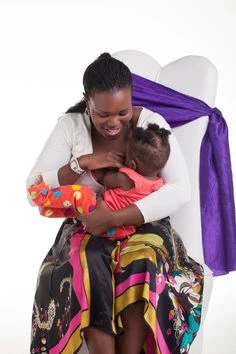
6–23 months: Continue breastfeeding where possible and introduce thick, nutrient-dense complementary foods at about 6 months. Meals should include mashed family foods such as pap enriched with groundnut paste, beans, egg, fish, avocado, vegetables, or fruits. Increase meal frequency, texture, and variety as the child grows.1
2–5 years: Offer regular family meals in child-sized portions, with snacks such as fruit, roasted or boiled foods, yoghurt where available, or appropriate nut pastes. Encourage children patiently without force-feeding.
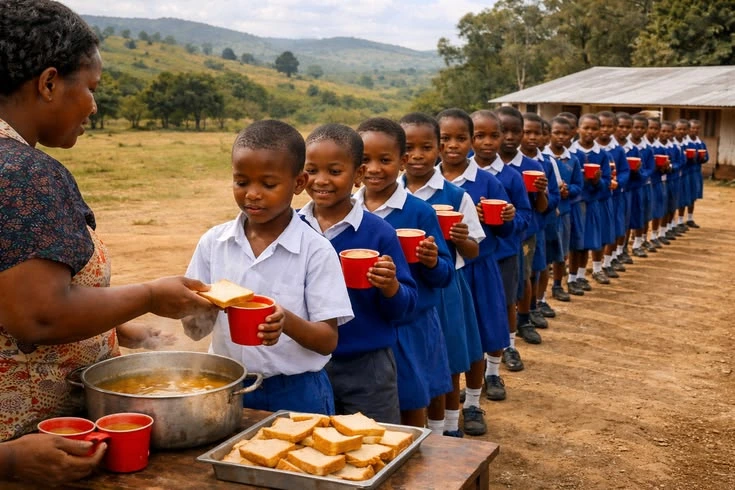
6–9 years: Provide balanced meals for growth, play, and learning. Breakfast and school meals are important. Sugary drinks, sweets, and highly processed snacks should be limited because they add calories without enough protein, iron, vitamins, or minerals, and can crowd out the food children need for concentration, immunity, and strong teeth.
10–18 years: Adolescents need extra nutrients during rapid growth and puberty. Girls especially need iron-rich foods such as beans, meat, fish, eggs, dark green leafy vegetables, and fortified foods where available. Encourage healthy eating, physical activity, adequate water intake, and reduced intake of sugar, salt, and unhealthy fats, because frequent sugary drinks can promote unhealthy weight gain, tooth decay, tiredness, and poor diet quality.
Locally Available Nutritious Foods
A healthy diet should include different food groups rather than relying mainly on one staple such as pap, rice, garri, yam, or cassava. Local foods can be combined to make meals richer and more protective.
Protein foods: beans, soya beans, lentils, peas, eggs, fish, poultry, meat, milk products where available, tofu/awara/beske, and groundnut paste. These support growth, blood formation, muscles, and body repair.
Energy foods: maize, millet, sorghum, oats, rice, yam, sweet potatoes, cocoyam, cassava, and plantain. These should be paired with protein foods, vegetables, fruits, and healthy fats.
Protective foods: pawpaw, banana, orange, mango, watermelon, avocado, carrots, tomatoes, and green leafy vegetables. Buying fruits and vegetables in season can reduce cost.
Healthy fats: avocado, groundnut paste, sesame paste, palm oil in moderate amounts, fish, and nuts or seeds prepared safely. For young children, avoid whole nuts because of choking risk.
Simple Meal Combinations
A child’s meal becomes more nutritious when at least three food groups are included. Examples include:
- Pap enriched with groundnut paste, milk where available with mashed beans, egg, or fish.
- Rice or yam with beans, vegetables, and fish, egg, tofu, or meat.
- Millet or sorghum porridge with fruit and a protein source.
- For adolescents, a balanced plate should include a staple, protein food, vegetables or fruit, and safe water.
Common Nutrition Challenges
African children may face undernutrition, frequent infections, anaemia, poor dietary diversity, and increasing exposure to sugary drinks and processed snacks. These drinks and snacks can be harmful when they replace water and healthy meals because they fill the stomach quickly, add sugar and energy with little nourishment, increase the risk of tooth decay and unhealthy weight gain, and reduce children’s intake of protein, iron, calcium, fibre, vitamins, and minerals. Families may also struggle with food prices, food insecurity, unsafe water, poor sanitation, cultural food beliefs, or limited nutrition knowledge.
Practical solutions include choosing seasonal produce, enriching staple meals with affordable protein, involving older children in healthy food choices, limiting ultra-processed snacks, and seeking support from health workers when growth, appetite, or illness is a concern.
Food Safety, Responsive Feeding, and Healthy Habits
Good nutrition also depends on safe food preparation and supportive feeding practices. Wash hands, use clean utensils, wash fruits and vegetables, cook animal-source foods thoroughly, store food safely, and use safe drinking water.
For infants and young children, feed patiently and respond to hunger and fullness cues. For school-age children and adolescents, encourage breakfast, regular meals, safe snacks, physical activity, adequate sleep, and drinking water instead of sugary drinks. Water supports hydration without displacing appetite for nourishing food, while regular healthy meals provide the nutrients needed for growth, learning, blood formation, immunity, and active play.
Practical Tips for Parents and Caregivers
Try to:
- Include more than one food group in each meal.
- Use affordable proteins such as beans, eggs, fish, tofu, or groundnut paste.
- Offer fruits and vegetables daily where possible, especially seasonal options.
- Make clean drinking water the first choice for thirst and reserve sweet drinks for rare occasions rather than daily use.
- Avoid giving young children foods that can cause choking, such as whole nuts or hard raw pieces.
- Support adolescents to make healthy choices at home, school, and with friends.
- Seek professional advice for poor growth, persistent diarrhoea or vomiting, loss of weight, severe tiredness, feeding difficulty, or signs of deficiency.

Good nutrition for African children from 6 months to 18 years means providing enough safe, varied, age-appropriate foods using locally available options. From complementary feeding in infancy to healthy choices in adolescence, balanced meals help children grow, learn, resist illness, and build lifelong healthy habits.