
Author's details
- Dada Hannah Prayer
- BSc Anatomy (Ilorin), MSc Anatomy (in view)
Reviewer's details
- Dr. Khashau Eleburuike.
- MBBS (Ilorin) MSc. Global Health Karolinska Institutet. SFAM, Socialstyrelsen.
- Consultant in family medicine in Stockholm County, Sweden.
- Date Published: 2026-08-30
- Date Updated: 2026-08-30
Exclusive Breastfeeding
Key Messages
- For the first six months, breast milk alone is enough for most healthy babies.
- Breast milk is both food and water, even when the weather is hot.
- The first yellow milk, colostrum, is not dirty; it helps protect the baby.
- Giving water, pap, herbal mixtures, or formula too early can make babies sick or reduce breastfeeding.
- Mothers need support, rest, good food, and encouragement from the whole family.
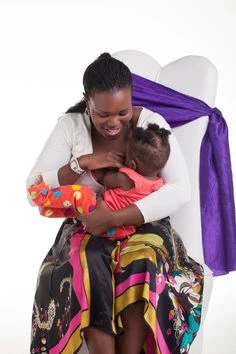
A new baby brings joy to the family. Everyone wants the baby to grow well, sleep well, and stay healthy. One of the best ways to help a baby in the first six months is to give only breast milk.
Exclusive breastfeeding means that from birth until the baby is six months old, the baby takes breast milk only. No water, no pap, no formula, no herbal mixture, no glucose water, no tea, no juice, and no other food.
Some parents and grandparents worry that breast milk alone is not enough. Others believe a baby needs water because the weather is hot. This guide explains in simple terms why breast milk is enough for most healthy babies during the first six months and how the whole family can support the mother.
What Does Exclusive Breastfeeding Mean?
Exclusive breastfeeding means feeding a baby only breast milk for the first six months of life.
Breast milk is both food and drink for the baby. It contains water to satisfy thirst, nutrients to help the baby grow, and protection to help the baby fight sickness.
The only things that may be given are medicines, vitamins, minerals, or oral rehydration solution if a health worker says they are needed.
When Should Breastfeeding Begin?
Breastfeeding should begin as soon as possible after birth, preferably within the first hour.
The first thick yellowish milk, called colostrum, is very important. Some people call it “dirty milk”, but it is not dirty. It is the baby’s first protection. It helps guard the baby against infection and gives the baby a strong start.
After that, the baby should breastfeed whenever the baby is hungry, during the day and at night.
Why Is Exclusive Breastfeeding Important?
1. It Provides Essential Nutrition
Breast milk has the right food and water for a baby’s body. As the baby grows, the milk also changes to meet the baby’s needs.
2. It Helps Protect Against Infections
Breast milk helps protect babies from sickness. It carries natural protection from the mother to the child.
This protection is important because young babies can easily fall sick from diarrhoea, cough, chest infections, and unsafe water or feeding bottles.
3. It Supports Growth and Development
Good feeding in the first months helps the baby grow well. Breastfeeding also keeps the baby close to the mother, which supports comfort and bonding.
4. It Benefits Mothers
Breastfeeding also helps mothers. It can help the womb return to normal after childbirth and may reduce the mother’s risk of some diseases later in life, including breast and ovarian cancers.
Does a Breastfed Baby Need Water?
No. A healthy baby who is taking only breast milk does not need water in the first six months.
Many African families worry because the weather is hot. But breast milk already contains enough water for the baby. When the baby is thirsty, breastfeeding more often is usually what the baby needs.
Giving water too early can fill the baby’s small stomach, so the baby may suck less breast milk. It can also introduce germs, especially if the water, cup, bottle, or spoon is not very clean.
If a baby is unwell or appears dehydrated, parents should seek medical advice rather than simply giving water or other home remedies.
Common Worries and Challenges
Breastfeeding is natural, but it may not always be easy. A mother may have pain, worry that her milk is not enough, struggle with the baby’s latch, or feel pressure to give water or pap early. These problems do not mean she has failed. A nurse, midwife, doctor, or breastfeeding support worker can help.
After Six Months
At six months, the baby can start soft, safe, nutritious family foods while breastfeeding continues. Breastfeeding can continue up to two years or more, together with other foods.
Practical Tips for Mothers and Families
Families can support successful breastfeeding by:
- Starting breastfeeding as soon as possible after birth.
- Breastfeeding the baby according to hunger cues rather than following a rigid schedule.
- Seeking professional help if breastfeeding is painful or difficult.
- Avoiding unnecessary water, herbal mixtures, and other liquids during the first six months.
- Ensuring that mothers have adequate food, fluids, rest, and emotional support.
- Encouraging partners and family members to support the mother's breastfeeding goals.
- Seeking medical advice if the baby is feeding poorly, appears unusually weak, is not gaining weight appropriately, or shows signs of illness.
When Should You Seek Professional Help?
Parents should not wait at home if something does not look right. Seek help from a nurse, midwife, doctor, or trained breastfeeding support worker if:
- The baby is not sucking well or refuses to breastfeed.
- The mother has severe breast pain, cracked nipples, swelling, fever, or signs of infection.
- The baby passes very little urine, looks very weak, has fever, diarrhoea, or keeps vomiting.
- The baby is not gaining weight, or the family is worried that the baby is not getting enough milk.
- The mother feels too tired, sad, overwhelmed, or unsupported to continue breastfeeding.
Related Topics
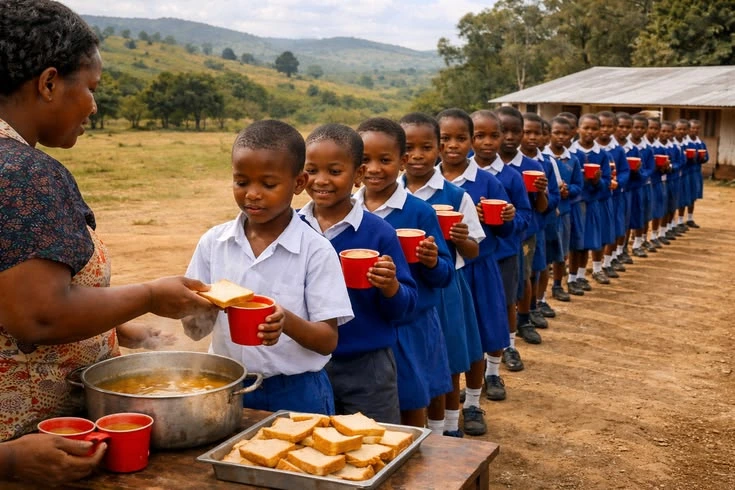
Exclusive breastfeeding gives a baby a strong start in life. For the first six months, breast milk alone is enough for most healthy babies. It gives food, water, and protection from sickness. Families can help by encouraging the mother, giving her rest and good food, and avoiding pressure to give water or other foods too early.