
Author's details
- Alabi Temidayo Esther.
- BSc. Chemistry. M.sc Medicinal and Organic Chemistry. National Health fellow Odo-Otun LGA Osun state.
Reviewer's details
- Dr. Khashau Eleburuike.
- MBBS (Ilorin) MSc. Global Health Karolinska Institutet. SFAM, Socialstyrelsen.
- Consultant in family medicine in Norrbotten County, Sweden.

- Date Published: 2026-05-24
- Date Updated: 2026-05-24
Peer Pressure in Adolescents
Key Messages
- Peer pressure has a strong effect on teenagers and young people.
- It can lead to good or bad choices.
- Many young people want to be accepted by friends, so they may copy what others do.
- This can affect school, relationships, health habits, alcohol or drug use, and other daily decisions.
- Support from parents, caregivers, teachers, trusted adults and good friends can help young people resist harmful pressure.
An adolescent is a young person between childhood and adulthood, usually between 10 and 19 years of age. Adolescence is a time of many physical, emotional, and social changes. During this stage, friends and social groups often become very important. Because of this, young people may be influenced by what their friends say or do. Sometimes this influence is helpful, but sometimes it can lead to risky or unhealthy behaviour.
Peer pressure is common because many adolescents spend a lot of time with friends, schoolmates, and people in their community. They may feel they must act like others so that they are not laughed at, rejected, or left out. Peer pressure may be direct when someone tells them what to do, or indirect, when they copy what they see others doing. When young people understand peer pressure, they are better able to make safer and healthier choices.
Peer pressure does not only affect behaviour. It can also affect mental health. Studies from Africa show that harmful peer pressure may be linked with emotional distress, anxiety, low well-being, substance use, unsafe sexual behaviour, and bullying. This means peer pressure can affect both the body and the mind, especially when a young person is already facing other problems.
Factors That Can Make Peer Pressure Worse
Some adolescents are more likely to be harmed by peer pressure than others. This includes those who have gone through difficult experiences in childhood, those who are exposed to bullying, those with poor support at home, and those who struggle with confidence or emotional stress. In such situations, a young person may be more likely to copy harmful behaviour or join in bullying and other risky acts.
What Is Peer Pressure?
Peer pressure is the influence that friends or people of the same age have on a young person. It happens when a teenager feels pushed to think, speak, dress, or behave in a certain way so that they can be accepted by others.
Causes of Peer Pressure
- Desire to belong: Many young people want to be accepted by a group.
- Low self-confidence: A person who is not confident may find it harder to say no.
- Limited guidance at home: Poor supervision or weak communication at home can increase risk.
- Curiosity: Young people may want to try new things without fully thinking about the results.
- Social media influence: Online trends can pressure young people to copy unhealthy behaviour.
- Fear of rejection: Some young people agree with others because they do not want to be mocked, bullied, or left out.
Common Types of Peer Pressure
- Positive peer pressure: This helps a young person do good things such as studying, playing sports, or avoiding harmful behaviour.
- Negative peer pressure: This pushes a young person toward harmful behaviour such as missing school, fighting, unsafe sex, alcohol use, smoking, or drug use.
- Direct peer pressure: Someone openly tells the young person what to do.
- Indirect peer pressure: The young person copies what friends or others are doing.
- Subtle peer pressure: A person is influenced through silence, exclusion, teasing, or body language.
Why Peer Pressure Happens in Adolescence
Peer pressure is common in adolescents because this is a time when they are trying to find out who they are and where they belong. Many teenagers want approval from friends and may depend more on friends than on parents or caregivers for advice. Because being part of a group feels important, they may follow the group even when their behaviour is unsafe or unhealthy.
How to Avoid Harmful Peer Pressure
- Know your values and goals.
- Learn to say “no” in a calm but firm way.
- Choose friends who respect you and encourage good behaviour.
- Talk to a parent, caregiver, teacher, counsellor, health worker, or other trusted adult.
- Avoid places and situations where you may be pushed into unsafe behaviour.
- Stay focused on school, work, and future goals.
- Join positive activities such as sports, clubs, faith groups, volunteering, or youth groups.
- Families should build open communication, guidance, and support at home so adolescents can talk freely about pressure from friends.
- Schools and communities should help by teaching life skills, preventing bullying, and creating safe spaces for young people.
- Ask for help early if you are feeling stressed, confused, or under pressure.
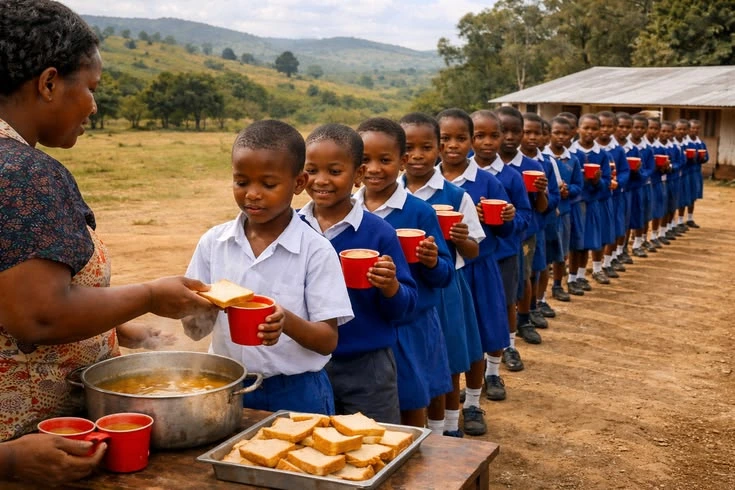


Peer pressure can affect the choices that adolescents make every day. It can lead to good behaviour, but it can also lead to risky behaviour, emotional distress, substance use, unsafe sex, and bullying. Young people need support, confidence, and correct information so that they can make healthy decisions. Families, schools, communities, and health workers all have an important role in protecting adolescents and helping them stay safe.