
Author's details
- Hakim A Abubakre
- BA (Hons) International Business Management, Msc Digital Marketing.
Reviewer's details
- Dr. Khashau Eleburuike
- MBBS (Ilorin) MSc. Global Health Karolinska Institute.
- Resident doctor in family medicine in Northen Sweden.
- Date Published: 2025-08-30
- Date Updated: 2026-01-02
Tinea Versicolor (Discolored Skin Patches)
Key Messages
- Tinea versicolor is a common, harmless skin infection caused by yeast.
- It leads to light or dark patches, often in hot, humid climates.
- The condition is not dangerous or contagious but may cause mild itching.
- Treatment includes antifungal creams, shampoos, or tablets for severe cases.
- Prevention involves loose clothing, staying dry, and using sunscreen.
Introduction
Tinea Versicolor (Discolored Skin Patches)
What is it?
- A common skin infection caused by yeast (fungus).
- Leads to light or dark patches on the skin.
- It is very common in hot, humid places like Sub-Saharan Africa.
- Not dangerous, not contagious, but can cause itching and embarrassment.
Discussion
Signs & Symptoms
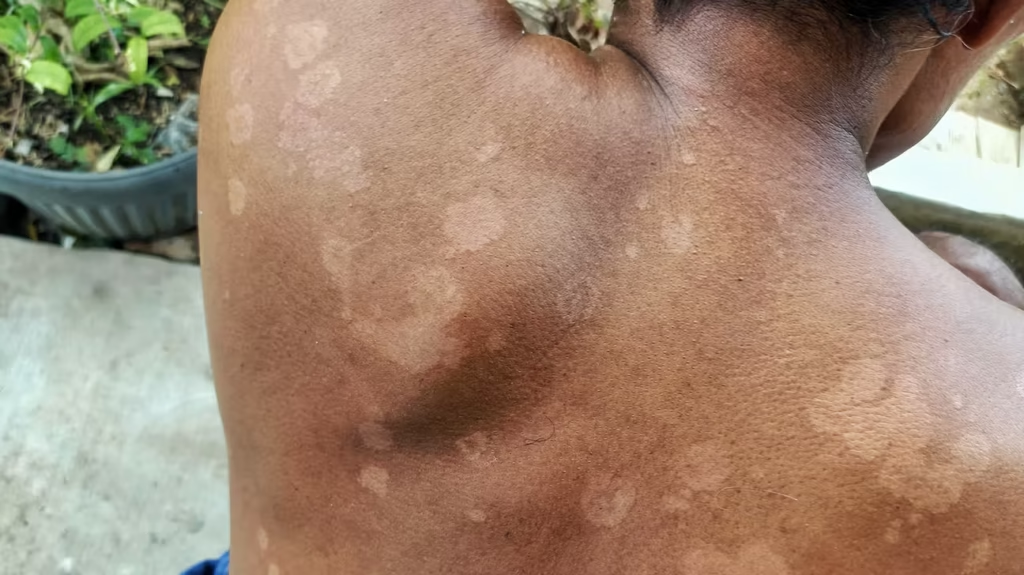
- Patches of white, pink, red, yellow, or brown skin
- Dry or scaly areas
- More visible after sun exposure
- Sometimes mild itching
- Common on chest, back, shoulders, arms
Who is at Risk?
- Teenagers & young adults
- People living in hot, humid climates
- Those who sweat a lot
- People with diabetes or weakened immunity
- Pregnant women
Treatment
- Mild cases: creams or lotions (Clotrimazole, Miconazole, Terbinafine), antifungal shampoos (selenium sulfide, zinc pyrithione).
- Severe cases: tablets prescribed by a doctor.
Prevention Tips
- Wear loose cotton clothes
- Avoid heavy, oily creams
- Stay cool & dry
- Use sunscreen to reduce contrast in skin color
When to See a doctor
- If patches spread widely
- If treatment at home doesn’t work
- If you feel unwell or have diabetes/weak immunity
- If skin changes affect your confidence or daily life
Conclusion
Tinea versicolor is common but harmless. With proper care, it can be controlled. Don’t be shy to seek medical help if it keeps coming back.
Related Topics
References
- Cleveland Clinic, Johns Hopkins Medicine, Healthline, Verywell Health, Cedars-Sinai
- Boakye-Yiadom E. et al. (2024). Fungal Infections in Sub-Saharan Africa. Therapeutic Advances in Infectious Disease.
Key Messages
- Tinea versicolor is a common, harmless skin infection caused by yeast.
- It leads to light or dark patches, often in hot, humid climates.
- The condition is not dangerous or contagious but may cause mild itching.
- Treatment includes antifungal creams, shampoos, or tablets for severe cases.
- Prevention involves loose clothing, staying dry, and using sunscreen.