Discussion
Appearance
- Oval, wingless, red-brown, and flat-bodied insects.
- About 5–7 mm long.
- Lifespan: 4 months to 1 year.
- Give off a sweet, sickly smell when in large numbers.
Where They Hide
Bed bugs are nocturnal and hide during the day in:
- Cracks in wooden furniture or walls
- Mattresses and bed frames (seams and joints)
- Curtains and carpets
- Behind pictures, skirting boards, and electrical fittings
They are attracted to humans by body heat, carbon dioxide, and skin scent.
Warning Signs of Bed Bugs in the Home
- Small spots of blood on bedsheets or mattresses
- Dark, dung-like stains (droppings) on bedding or furniture
- Shed skins (exoskeletons), eggs, or live bugs
- A strong sweet, buggy smell
Symptoms of Bed Bug Bites
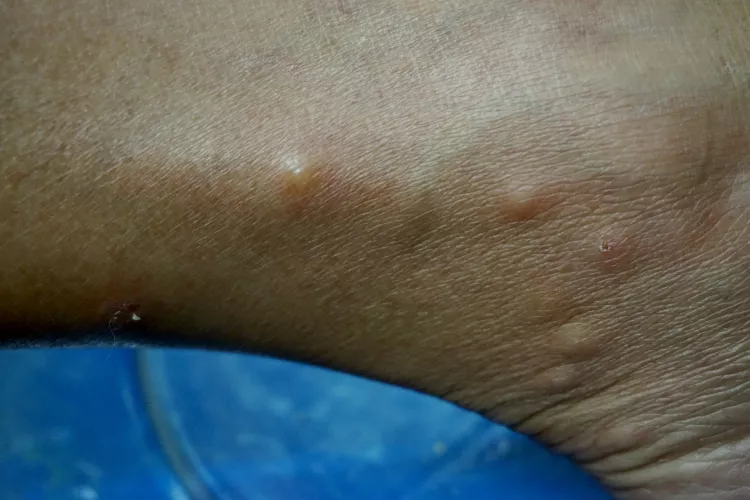
- Red, itchy bumps often in a line or zigzag pattern (sometimes in groups of 3)
- Burning or painful sensation at bite site
- Small blisters or raised patches of inflamed skin
- Itchy welts that may keep you awake at night
Note: Bed bugs do not spread diseases, but scratching can lead to skin infections.
Self-Care and Relief
- Apply a cool damp cloth to reduce itching and swelling
- Keep skin clean and dry
- Avoid scratching to prevent infection
- Use calamine lotion, aloe vera gel, or baking soda paste for relief
- Mild steroid creams (e.g., hydrocortisone) can help – but children under 10 and pregnant women should seek medical advice before use
- Antihistamines may help reduce itching and improve sleep
When to Seek Medical Help
See a doctor or nurse if you develop:
- Severe allergic reactions (difficulty breathing, swollen tongue, hives)
- Fever, flu-like symptoms, or nausea
- Signs of infection (pus, spreading redness, swelling)
- Painful blisters or widespread skin rash
Prevention Tips
- Keep the bedroom tidy and free of clutter where bed bugs can hide
- Avoid second-hand furniture unless carefully inspected
- Use protective covers for mattresses and bed bases
- Vacuum, sweep or dust floors, furniture, and mattresses regularly
- Inspect beds and luggage when travelling; use a luggage stand instead of placing bags on the floor
- Wash and dry clothes at high temperatures after travel or using shared laundry facilities
- Seal cracks and crevices in walls and furniture