
Author's details
- Hakim A Abubakre
- BA (Hons) International Business Management, Msc Digital Marketing.
Reviewer's details
- Dr. Khashau Eleburuike
- MBBS (Ilorin) MSc. Global Health Karolinska Institute.
- Resident doctor in family medicine in Northern Sweden.
- Date Published: 2025-10-27
- Date Updated: 2026-01-04
Safe Pregnancy Tips for Sub-Saharan African Women
Key Messages
- Eat a balanced diet, stay hydrated, and avoid harmful substances like alcohol and tobacco.
- Protect yourself from environmental risks and get recommended vaccinations.
- Stay active with safe exercises, rest well, and avoid heavy lifting.
- Monitor your baby’s movements and seek help if you notice warning signs.
- Always attend regular antenatal visits and follow your healthcare provider’s advice.
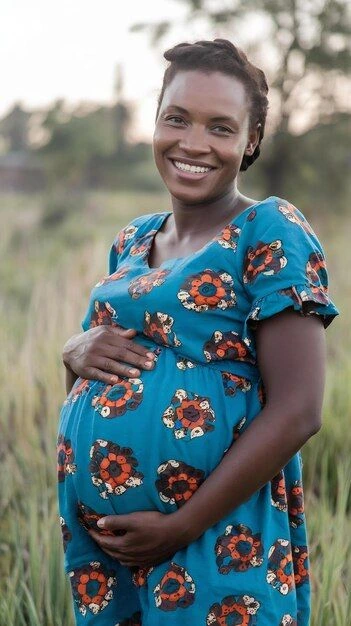
A healthy pregnancy is one of the best gifts you can give yourself and your baby. Safe pregnancy practices help prevent complications and ensure your baby grows well. These tips are designed for women in Sub-Saharan Africa to promote safe, healthy pregnancies and positive birth outcomes.
1. Healthy Lifestyle and Nutrition
Eat a balanced diet that includes a variety of foods such as fruits, vegetables, beans, meat, eggs, fish, potatoes, and whole grains. Wash all fruits and vegetables properly before eating and cook food thoroughly.
Avoid raw or undercooked foods, especially meat, eggs, shellfish, and unpasteurized dairy products. Stay away from fish high in mercury such as shark or swordfish, and avoid liver and liver products that contain too much vitamin A.
Drink 8–10 glasses of clean water daily to stay hydrated, aid digestion, and reduce swelling. Limit caffeine, and avoid alcohol, smoking, and recreational drugs completely, as they can harm your baby’s growth.
Take prenatal vitamins or minerals such as folic acid and iron as recommended by your healthcare provider to support your baby’s brain and bone development.
2. Environmental and Safety Tips
Avoid inhaling paint fumes, handling lead-based materials, or using hot saunas or hot tubs, as excessive heat can be dangerous during pregnancy.
If renovation is ongoing at home, stay away from areas where old paint dust may be released.
Get vaccinated for flu, whooping cough, and other infections if available. These vaccines protect both you and your baby.
3. Stay Active and Rest Well
Engage in low-impact exercises such as walking, swimming, or pregnancy yoga. These activities can improve mood, sleep, and circulation, and help manage stress. Avoid high-impact sports or activities that carry a risk of falling such as horse riding, skiing, or kickboxing.
After 12 weeks of pregnancy, try not to lie on your back for long periods; instead, sleep on your side—to improve blood flow to the baby.
Listen to your body and rest when you feel tired. Avoid lifting heavy items and bend your knees instead of your back when picking things up.
4. Mental and Emotional Wellbeing
Pregnancy can be emotional and may cause mood swings or stress. Share your feelings with your partner, family, or friends. Practice deep breathing, relaxation techniques, and self-care activities like reading, light walks, or taking warm (not hot) baths.
If you feel persistently sad, anxious, or overwhelmed, seek professional help from a doctor, midwife, or counselor.
5. Monitoring Your Baby
Between 18–24 weeks, you should start feeling your baby’s movements—gentle kicks, flutters, or turns. Reduced or absent movement may be a sign that your baby needs help. Report any such change immediately to your healthcare provider.
6. Warning Signs: When to See a doctor or Midwife
Seek urgent medical attention if you notice any of the following:
- Bleeding from the vagina
- Severe or ongoing stomach pain or cramps
- Pain or burning when urinating
- Severe or persistent headache
- Sudden swelling of the face, hands, or feet
- Blurred vision or spots before your eyes
- Itchiness of hands and feet
- Fever or chills
- Leaking of fluid or foul-smelling discharge
- Baby moving less than usual
- Persistent vomiting or inability to keep fluids down
- Chest pain or difficulty breathing
Always trust your instincts—if something feels wrong, seek help immediately.
7. What to Avoid During Pregnancy
- Alcohol, tobacco, and non-prescribed drugs
- Raw or undercooked meat, eggs, or seafood
- Soft, unpasteurized cheese and milk
- Unpasteurized fruit juices or cider
- Herbal teas or traditional medicines not approved by your doctor
- High-mercury fish (like shark or swordfish)
- High-risk activities such as climbing, diving, or contact sports
- Exposure to radiation (e.g., X-rays) unless medically necessary
Related Topics

Safe pregnancy depends on healthy habits, regular antenatal visits, proper nutrition, and timely medical care. Every pregnancy is different, so always follow your doctor’s or midwife’s advice. By caring for your body, emotions, and environment, you give your baby the best possible start in life.