
Author's details
- Dr. Khashau Eleburuike
- MBBS (Ilorin) MSc. Global Health Karolinska Institute.
- Resident doctor in family medicine in Northern Sweden.
Reviewer's details
- Abdurrazzaq Alege
- MBBS, MBA (Healthcare Mgt), FMCPaed, FIPNA.
- Consultant Paediatrician/Paediatric Nephrologist, Federal Teaching Hospital, Katsina, Nigeria.
- Date Published: 2026-01-03
- Date Updated: 2025-04-28
Patient Information: Understanding Nephrotic Syndrome in Children
Key Messages
- Nephrotic syndrome causes the kidneys to leak protein, leading to swelling and foamy urine.
- It is most common in children aged 2–6 and is not contagious or caused by curses.
- Most cases respond well to steroid treatment, but relapses are common.
- Prompt medical care is needed for severe symptoms like trouble breathing or very little urine.
- With proper management, most children recover well and can lead normal lives.
What is Nephrotic Syndrome?
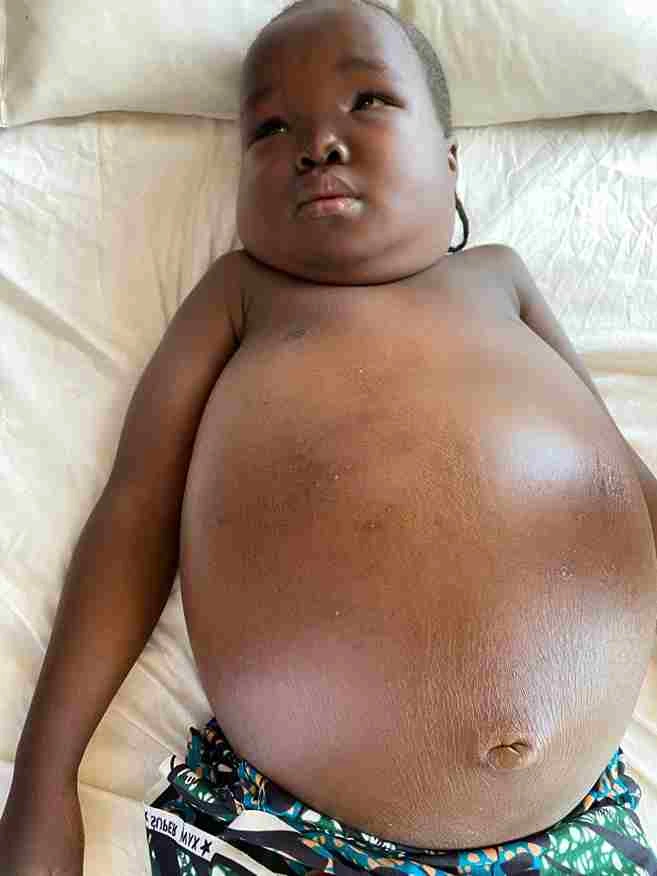
Nephrotic Syndrome is a kidney condition where the kidneys leak too much protein into the urine. This leads to:
- Body Swelling (especially in the face, legs, or belly)
- Foamy urine
- Weight gain from fluid
- Low protein levels in the blood
The kidneys normally act like a filter, keeping important things like protein in the blood. In nephrotic syndrome, that filter becomes “leaky.”
Who Gets It?
Nephrotic syndrome:
- Is common in children between 2 and 6 years old
- Can affect both boys and girls (but slightly more common in boys)
- May occur after a viral illness
- Is not contagious, and not caused by curses or witchcraft
What Are the Symptoms?
Watch for:
- Swelling around the eyes (especially in the morning)
- Swollen feet, ankles, or belly
- Foamy or bubbly urine
- Reduced urine (less frequent urination)
- Weight gain (due to fluid, not fat)
- Tiredness or poor appetite
If untreated, it can lead to infections, blood clots, or kidney failure.
What Causes It?
In most children, the cause is Minimal Change Disease (MCD), which means the kidneys look normal under a microscope but still leak protein. The exact cause is often unknown, but it is not the parents’ fault.
In other cases, nephrotic syndrome can be caused by:
- Infections like malaria, hepatitis B, or HIV
- Certain medicines and creams especially bleaching creams
- Autoimmune diseases
- It may follow some animal bites e.g bee stings, insect bites
How is It Diagnosed?
At a health facility, your child may have:
- Urine test (shows large amounts of protein)
- Blood test (low protein, high cholesterol)
- Kidney function test
- Sometimes, a kidney biopsy (small tissue sample for testing)
How is It Treated?
- Steroid Medicine (Prednisolone):
Most children respond well to steroids within a few weeks. Treatment usually lasts for several months. - Salt and Water Control:
- Reduce salt in food to manage swelling
- Monitor fluid intake, especially when swelling is severe
- Infection Prevention:
- Children are more prone to infections. Treat infections promptly.
- Keep immunizations up to date
- Avoid crowded places when immunity is low
- See a health worker early if your child has fever, cough, or stomach pain
- Other Medicines:
If steroids don’t work or there are frequent relapses, the doctor may add other medications to help protect the kidneys.
Can It Come Back?
Yes. Nephrotic syndrome often goes away and comes back (relapses). Common triggers for relapse include:
- Infections (like colds)
- Stopping medicines too soon
- Stress or fatigue
Most children eventually outgrow the condition as they get older, especially if well managed.
When to Seek Help Immediately
Go to a health center or hospital if your child:
- Has trouble breathing
- Becomes very swollen or weak
- Passes very little or no urine
- Has fever, belly pain, or blood in the urine
- Has signs of a relapse (swelling, foamy urine)
Caring for a Child with Nephrotic Syndrome
- Give all medicines exactly as prescribed
- Take your child for regular follow-up visits
- Keep a record of urine test (for protein and blood). This can be done at home
- Keep a record of weight, urine output, and swelling
- Offer emotional support – relapses are common but manageable
- Avoid herbal or unverified treatments unless approved by a doctor
Important Reminders
| Myth | Truth |
|---|---|
| It's caused by evil spirits or curses | It's a medical condition involving the kidneys |
| All swelling in children is malnutrition | Swelling can also be from kidney disease |
| Once treated, it never returns | Nephrotic syndrome can relapse, but it is manageable |
| It is a permanent kidney disease | It is treatable and many children often outgrow it |
Related Topics


Nephrotic syndrome is a serious but treatable condition. With proper care, most children recover well and can lead normal lives. Work closely with health workers and keep track of your child’s health at home.