
Author's details
- Blessing Ime Eshiet
- MBBS
- Resident doctor Obstetrics & Gynaecology, Maitama District Hospital, Nigeria | Medical/Health Writer.
Reviewer's details
- Dr Austin Okoro Chigozie
- MBBS, MWACS, MPH, FWACS
- Consultant Obstetrician and Gynaecologist. Evercare Hospital. Lekki. Nigeria
- Date Published: 2026-01-04
- Date Updated: 2025-11-29
Feminine Hygiene Guide for Women and Girls
Key Messages
- Good feminine hygiene prevents infections, boosts confidence, and protects reproductive health.
- Clean the genital area gently with mild soap and water and avoid harsh products or douching.
- Use safe menstrual products, change them regularly, and maintain proper disposal and washing practices.
- Seek medical advice for unusual symptoms like itching, pain, or abnormal discharge.
- Talking openly about feminine hygiene breaks taboos and helps build healthier communities.
Feminine hygiene means keeping the female genital area clean and healthy. It is an important part of a woman’s overall health, comfort, and confidence.
In many African communities, cultural taboos and myths make it difficult to talk openly about this topic, which can lead to poor hygiene habits and health problems.
Learning the right information helps women and girls take better care of their bodies, prevent infections, and live confidently.
Understanding the Female Genital Area
The female genital area includes:
- Vulva is the external part (labia, clitoris, vaginal opening)
- Vagina is the inner canal that connects to the cervix and the womb
The vagina cleans itself naturally through a mild discharge that helps remove bacteria and dead cells. The vulva and vagina are delicate and slightly acidic to prevent infection.
Because they are sensitive, harsh soaps, douching, or perfumed products can harm them and upset the body’s natural balance.
Hormonal changes during puberty, menstruation, pregnancy, and menopause can also affect hygiene needs. Women should adjust care practices during these stages of life.
Why Good Feminine Hygiene Matters
Good hygiene:
- Prevents infections or conditions such as yeast infections, urinary tract infections and bacterial vaginosis.
- Reduces the risk of sexually transmitted infections (STIs) such as gonorrhea, chlamydia, and HIV
- Help prevent bad odour, irritation, and discomfort
- Promotes confidence, self-esteem, and healthy relationships
- Protects reproductive health and lowers the risk of some cancers, such as cervical cancer
Daily Feminine Hygiene Practices
- Clean the genital area gently once or twice daily with lukewarm water.
- Use mild, unscented soap or pH-balanced liquid wash on the outer part only but never inside the vagina.
- Wash with your hands only, not with sponges or washcloths.
- Wipe from front to back after urinating or using the toilet to avoid infection.
- Gently pat dry with a clean, soft towel. Don’t rub.
- Wear loose, breathable cotton underwear and change it daily.
- Avoid tight jeans or nylon underwear that trap heat and moisture.
- Sleep without underwear sometimes to allow air circulation.
- Do not use perfumes, sprays, talcum powder, or antiseptics near the genital area.
- Wash underwear separately with mild soap and rinse thoroughly.
- Avoid using colored or scented toilet paper.
- Trim or remove pubic hair carefully, if desired, to prevent cuts or infection.
- Wash your hands before and after cleaning your genital area or changing sanitary materials.
Menstrual Hygiene Management
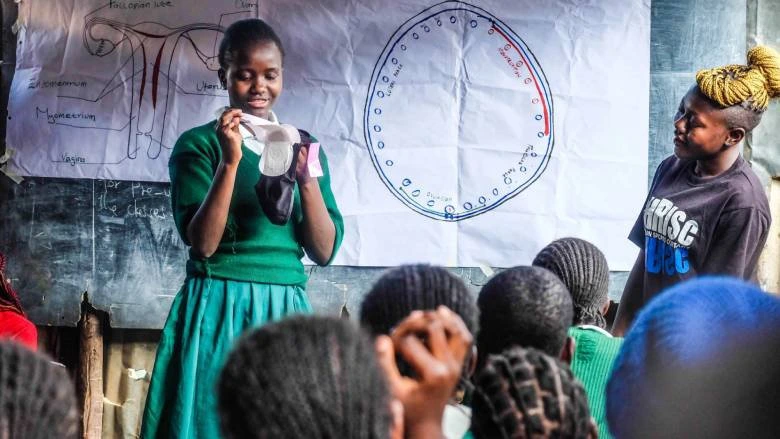
Menstrual hygiene is a key part of feminine health. Use clean and safe products such as sanitary pads, tampons, menstrual cups, or period underwear.
- Change pads or tampons every 4–6 hours or as needed.
- Wash reusable pads or cups properly with clean water and soap, then dry them in the sun.
- Dispose of used products in a waste bin (not the toilet).
- Continue bathing during your period. It is healthy and helps you stay fresh.
Many women and girls in Sub-Saharan Africa lack access to menstrual products and private facilities. Governments, NGOs, and communities should ensure that affordable products, safe water, and proper waste disposal are available to all girls and women.
Preventing Common Infections
To prevent vaginal infections:
- Avoid douching or washing inside the vagina.
- Keep the area dry after bathing.
- Avoid prolonged use of panty liners unless necessary.
- Seek medical advice if you notice unusual discharge, odor, itching, or pain.
Early treatment of infections helps prevent complications such as infertility or chronic pelvic pain.
Feminine Hygiene and Sexual Activity
- Wash the vulva gently before and after sex using clean water.
- Urinate after sex to reduce the risk of urinary tract infections.
- Practice safe sex. Use condoms to protect against STIs.
- Avoid using “tightening” herbs, soaps, or chemicals; they can cause burns and long-term damage.
Lifestyle and Special Considerations
- Eat a balanced diet rich in fruits, vegetables, and whole grains.
- Drink plenty of water daily.
- During pregnancy and after childbirth, clean the genital area gently and keep it dry to prevent infection.
- Adolescent girls should be taught about hygiene and menstruation early to promote confidence and reduce shame.
- Menopausal women may need to use vaseline, baby oil or see a doctor for dryness or irritation.
When to See a Healthcare Provider
Seek medical care if you experience:
- Persistent itching, pain, or burning
- Foul-smelling or colored vaginal discharge
- Sores, swelling, or rash around the genital area
- Irregular or heavy bleeding
- Pain during urination or sex
Regular check-ups, Pap smears, and STI testing help protect your reproductive health.
Addressing Myths and Cultural Barriers
- Menstruation is not dirty; it is a normal body process.
- The vagina cleans itself; no need for douching or herbs.
- Talking about feminine hygiene is not shameful; it is a matter of health and dignity.
Breaking taboos through open communication helps build healthier families and communities.
Related Topics


Good feminine hygiene keeps women and girls healthy, confident, and infection-free.
Use clean water, breathable clothes, safe menstrual products, and avoid harmful practices.
Every woman deserves access to accurate information, clean facilities, and respectful healthcare to live with dignity and wellbeing.