
Author's details
- Dada Hannah Prayer
- BSc Anatomy; MSc Anatomy (in view)
Reviewer's details
- Dr. Khashau Eleburuike.
- MBBS (Ilorin) MSc. Global Health Karolinska Institute.
- Resident doctor in family medicine in Northern Sweden.

- Date Published: 2025-12-28
- Date Updated: 2026-04-01
Late Hospital Visits in Africa and its Solution
Key Messages
Key Messages:
- Don’t wait. Early hospital visits save lives and prevent complications.
- If symptoms last more than 3 days or get worse, see a doctor.
- Avoid self-medication or relying only on traditional remedies. Get professional care.
- Plan for health expenses and use community health insurance if available.
- Choose clinics with respectful staff and clean environments for better experience
In Africa, timely hospital visits can make the difference between a quick recovery and a serious health crisis. Yet, many people wait too long before seeking medical care, hoping symptoms will disappear on their own. Understanding the unique reasons behind these delays can help us find practical solutions and improve health outcomes for individuals, families, and communities.
A. Why Do People in Africa Delay Hospital Visits?
- Fear of Diagnosis
Many Africans worry that going to the hospital will bring bad news—such as being told they have a serious illness like cancer, diabetes, or HIV. This fear can lead to postponing care, even when symptoms are severe. Common thoughts include:
- “What if it’s something I can’t afford to treat?”
- “Let me wait, maybe it will go away.”
- Cost and Financial Barriers
Healthcare costs, including consultation fees, laboratory tests, and medicines—are a major concern. Many people try home remedies, herbal treatments, or buy drugs from local chemists before considering a hospital visit. For those without health insurance or savings, the fear of high bills is a real barrier.
- Misinterpreting Symptoms
Symptoms like headaches, stomach pain, or tiredness are often blamed on stress, “bad air,” or spiritual causes. People may believe, “It’s just malaria,” or “I’ll be fine after some rest,” missing early warning signs of more serious conditions.
- Over-Reliance on Self-Medication and Traditional Remedies
Many Africans first seek advice from family, friends, or traditional healers. Pharmacies and patent medicine stores are often the first stop for drugs, sometimes without a prescription. While some remedies may help, they can delay proper diagnosis and treatment.
- Time Constraints and Accessibility
Long distances to health facilities, lack of transportation, and busy work or farming schedules make hospital visits inconvenient. Some people wait until the pain is unbearable or until they have enough money for transport and treatment.
- Negative Past Experiences
Long queues, unfriendly staff, or previous misdiagnoses can discourage people from returning to the hospital. Stories of poor treatment or lack of medicines spread quickly in communities, fueling mistrust.
- Cultural and Social Beliefs
Some believe that illnesses are caused by spiritual forces or “village people,” and seek help from spiritual leaders or herbalists. Others only go to the hospital when it becomes a life-or-death emergency.
B. How Can We Reduce Delays in Seeking Medical Care?
- Know the Danger Signs
Seek medical care quickly if you notice:
- Persistent pain
- Difficulty breathing
- High fever
- Sudden weakness or paralysis
- Severe headache
- Unexplained weight loss
- Bleeding
- Symptoms that worsen or do not improve with home care.
- Follow the “Three-Day Rule”
If any symptom lasts more than three days, gets worse, or keeps coming back, see a doctor. Early action can prevent complications and save money in the long run.
- Make Regular Check-Ups a Habit
Don’t wait for illness before visiting a health center. Routine checks can catch “silent” conditions like high blood pressure, diabetes, or infections before they become serious.
- Limit Self-Medication
While home remedies and over-the-counter drugs may offer temporary relief, only a qualified health worker can diagnose and treat the real cause of your symptoms.
- Plan for Health Expenses
Set aside small amounts regularly or join a community health insurance scheme if available. This can reduce the financial stress of unexpected hospital visits.
- Choose Patient-Friendly Facilities
Look for hospitals or clinics known for:
- Shorter waiting times
- Respectful and clear communication
- Clean and safe environments
- Availability of medicines Positive experiences encourage people to seek care early.
- Use Telemedicine and Community Health Workers
If distance or time is a challenge, consider phone consultations or seeking advice from trained community health workers who can guide you on when to visit a hospital.
Related Topics

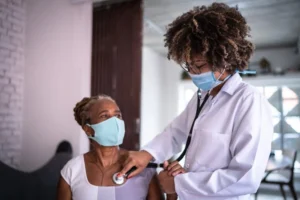
Delaying a hospital visit may seem harmless, but early medical attention often prevents complications, reduces costs, and increases the chances of full recovery. Listen to your body, act early, and encourage your loved ones to do the same. In Africa, where health resources can be limited, timely action truly saves lives.
- Factors associated with delaying medical care: cross-sectional study of Nebraska adults 2023 Feb 4;23:118. doi: 10.1186/s12913-023-09140-0
- Becker’s Hospital Review, Why Delayed Care is Taking on New Urgency for Health Systems, November 2025.
- HealthBloomin, 5 Factors Behind Longer Wait Times and Delayed Healthcare Treatments, March 2025.
- Prescott House, Why Waiting To Get Treatment is Always a Mistake, June 2024.