
Author's details
- Blessing Ime Eshiet
- MBBS
- Resident doctor Obstetrics & Gynaecology, Maitama District Hospital, Nigeria | Medical/Health Writer.
Reviewer's details
- Dr Austin Okoro Chigozie
- MBBS, MWACS, MPH, FWACS
- Consultant Obstetrician and Gynaecologist. Evercare Hospital. Lekki. Nigeria
- Date Published: 2025-11-29
- Date Updated: 2026-04-04
Polycystic Ovarian Syndrome (PCOS): Signs & Symptoms
Key Messages
- PCOS is a common hormonal disorder affecting up to 20% of women of reproductive age, often undiagnosed.
- Causes include genetics, insulin resistance, and lifestyle factors like diet and weight.
- Symptoms vary but often include irregular periods, excess hair, acne, weight gain, and fertility issues.
- Untreated PCOS increases risks for diabetes, heart disease, infertility, and mental health problems.
- Management involves lifestyle changes, medical treatment, and emotional support for a healthy life.
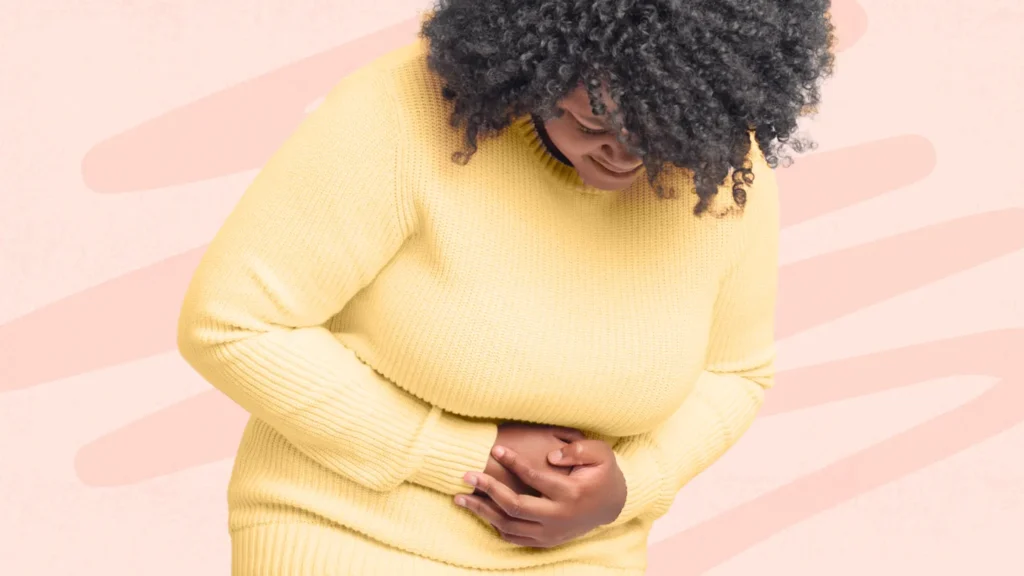
Polycystic Ovarian Syndrome (PCOS) is one of the most common hormone-related disorders affecting women during their reproductive years. Simply put, it means your hormones, ovaries, and metabolism may be out of balance; affecting your periods, fertility, weight, skin, mood, and overall well-being.
Globally, PCOS affects about 5% to 20% of women of reproductive age. In Africa, many women live with it unknowingly, often blaming symptoms on “body type,” stress, or even spiritual causes. Understanding PCOS early helps reduce complications such as infertility, metabolic problems, and heart disease while improving your overall quality of life.
Causes and Risk Factors
PCOS has no single cause as it’s influenced by a mix of genetic, hormonal, and environmental factors.
- Genetics and environment: If your mother, sister, or aunt has PCOS, your risk may be higher. Lifestyle changes, urban diets, and exposure to environmental toxins may also play a role.
- Insulin resistance and hormone imbalance: Many women with PCOS have insulin resistance which mean their body needs more insulin to control blood sugar. This leads to higher insulin levels, stimulating the ovaries to make more androgens (male-type hormones), which disrupts ovulation.
- Obesity and overweight: Carrying extra weight especially around the tummy can worsen insulin resistance. This is becoming more common in Sub-Saharan Africa as diets shift toward processed foods and physical activity declines.
- Family history: A strong family link exists. If your female relatives have PCOS, irregular periods, or fertility issues, talk to your doctor early.
Symptoms and Signs
PCOS doesn’t look the same for every woman, but these are common clues:
- Menstrual irregularities: Fewer than eight periods a year, irregular or heavy periods, or months without menstruation.
- Male-type hormones (androgens) related changes: Excess facial or body hair (especially on the chin or chest), acne, or thinning scalp hair.
- Weight gain and difficulty losing weight.
- Infertility: Irregular ovulation may delay conception.
- Emotional effects: Irregular cycles and fertility delays can cause anxiety, low mood, or body image concerns especially in African societies where fertility is highly valued.
Cultural note: In many communities, signs like excess weight or hair may be overlooked, yet they could signal deeper hormonal issues.
Diagnosis
PCOS is diagnosed when two of the following three features are present (after ruling out other conditions):
- Irregular or absent ovulation
- Signs or lab evidence of excess male hormone (androgens)
- Polycystic ovaries on ultrasound
Your doctor may also order blood tests to check hormone levels. In adolescents, diagnosis requires extra care since irregular periods can be normal soon after puberty.
Health Risks of PCOS
Untreated PCOS increases several long-term health risks:
- Metabolic risks: Type 2 diabetes, metabolic syndrome, and heart disease.
- Reproductive risks: Infertility, gestational diabetes, or preeclampsia during pregnancy.
- Cancer risk: Prolonged unopposed estrogen exposure increases the risk of endometrial (uterine) cancer.
- Mental health risks: Depression, anxiety, and low self-esteem which often worsened by cultural stigma or fertility expectations.
Management and Treatment
Although PCOS is a lifelong condition, it can be managed effectively.
- Lifestyle Modifications
- Eat a balanced diet rich in vegetables, lean proteins, and healthy fats, and low in refined carbs.
- Exercise regularly: Walking, jogging, or traditional sports improve insulin sensitivity.
- Weight control: Even modest weight loss can restore ovulation and fertility.
- Sleep and stress management: Adequate rest and relaxation are essential as many women neglect this due to busy schedules.
- Medical Treatment
- Hormonal contraceptives help regulate periods and reduce acne or excess hair
- Prescribed medication improves insulin sensitivity and lowers diabetes risk.
- Fertility treatments like ovulation-inducing medications can help women trying to conceive.
- Psychological support: Counselling and support groups can help manage emotional stress.In Nigeria and across Africa, limited access to gynecologists and diagnostic facilities in remote places can delay care. Advocate for yourself and seek referrals when necessary.
Living with PCOS
Living well with PCOS means taking charge of your health.
- Schedule regular check-ups and track your menstrual cycles and weight.
- Learn what your test results mean and ask questions.
- Build a support network both online and offline with women facing similar challenges.
- Set realistic goals for fertility, weight, and emotional well-being.
When to Seek Medical Advice
See a healthcare professional if you:
- Have persistent irregular periods or no period for several months.
- Notice excessive hair growth, acne, or hair loss.
- Struggle with weight gain or infertility
- Experience new symptoms like heavy bleeding or prolonged spotting.
Early evaluation and management can make a big difference for your hormones, fertility, and long-term health.
Resources and Support
- Teaching hospitals with endocrinology or gynaecology clinics in Nigeria and other African countries
- Online communities for African women with PCOS
- Dieticians and lifestyle coaches familiar with healthy African foods.

PCOS is common but manageable. With the right information, medical care, lifestyle habits, and emotional support, every African woman living with PCOS can lead a healthy, fulfilling life. Don’t ignore your symptoms, understand them, take action, and take charge of your health.