
Author's details
- Hakim A Abubakre
- BA (Hons) International Business Management, Msc Digital Marketing.
Reviewer's details
- Dr. Khashau Eleburuike
- MBBS (Ilorin) MSc. Global Health Karolinska Institute.
- Resident doctor in family medicine in Northern Sweden.
- Date Published: 2025-10-27
- Date Updated: 2026-03-31
How to Identify Typhoid Fever
Key Messages
- Typhoid fever is a serious illness caused by Salmonella Typhi, spreading mainly through contaminated water and food, especially where sanitation is poor.
- Symptoms include high fever, headache, stomach pain, and sometimes a rash; early medical testing is crucial because symptoms can resemble malaria.
- Proper antibiotic treatment, rest, and drinking safe fluids are essential for recovery; do not self-medicate or stop treatment early.
- Prevention relies on boiling or filtering water, eating well-cooked food, handwashing, using toilets, and getting vaccinated if possible.
- Community leaders and traditional healers play a role in health education, but clinic or hospital visits are necessary for diagnosis and treatment.
Typhoid fever is a serious illness caused by germs (bacteria) called Salmonella Typhi. It spreads easily in places where clean water is hard to find, and toilets are not always used. Many people in Sub-Saharan Africa are at risk, but typhoid can be prevented and treated if you act early.
How Do People Get Typhoid?
- Dirty Water: Drinking water from rivers, streams, boreholes, or wells that are not treated or boiled. Sometimes, water from these sources is shared with animals or used for washing clothes.
- Unwashed Food: Eating fruits like mangoes, guavas, or vegetables (like sukuma wiki or tomatoes) that have not been washed with clean water, or eating street food that is not hot.
- Poor Sanitation: Using the bush or open fields instead of a toilet or not washing hands after using the toilet.
- Carriers: Some people who have had typhoid can still spread it to others, even if they feel better.
Local Beliefs and Practices
- In some communities, people may first visit a chemist who may not be medically trained or a traditional healer (mganga, sangoma, or herbalist) for stomach pain or fever. While traditional medicine is important in many cultures, it is best to also visit a clinic or hospital for proper testing and treatment, as typhoid can look like malaria or other illnesses.
- Some believe that typhoid comes from eating certain foods or from curses. It is spread by germs in dirty water or food.
Signs and Symptoms
Typhoid fever usually starts 1–3 weeks after infection. Watch out for:
- High fever that gets worse each day
- Headache, feeling tired, and weak
- Loss of appetite and weight loss
- Stomach pain, diarrhea, or constipation
- Rash with flat, pink spots on the chest or belly
- Muscle pain, nausea, vomiting
- Sometimes cough or sore throat
If not treated, typhoid can cause dangerous problems like bleeding in the stomach.
What Should You Do If You Feel Sick?
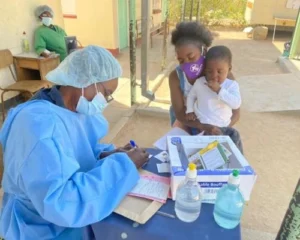
- See a doctor or Nurse: Only a test can tell if you have typhoid. The symptoms are like malaria, so don’t guess.
- Take Medicine Properly: Use antibiotics only as the doctor says. Do not stop early or share medicine.
- Rest and Drink Fluids: Drink safe water (boiled or bottled), ORS, or light soups like maize porridge (ugali), rice water, or banana stew.
- Keep Clean: Wash your hands often, especially before eating and after using the toilet. Do not cook or serve food to others while you are sick.
When to Go to the Hospital
Go to the clinic or hospital immediately if you have:
- Severe stomach pain
- Black or red stool, or vomiting blood
- Cannot eat or drink
- Confusion, fainting, or trouble breathing
- High fever for more than 3 days
- Weaknesses, dizziness, or headache that gets worse
These could be signs of serious problems.
How to Prevent Typhoid
- Safe Water: Always boil or filter water before drinking. Use boiled or bottled water for brushing teeth. In many villages, water from the river or borehole should be boiled before use.
- Clean Food: Eat food that is cooked and still hot. Wash fruits and vegetables well. Avoid raw salads and street food that is not hot.
- Handwashing: Wash hands with soap and clean water before eating and after using the toilet. If there is no soap, use ash as is common in some rural areas.
- Good Hygiene: Use toilets or latrines, not the bush. Dispose of waste properly. Keep food covered to protect from flies.
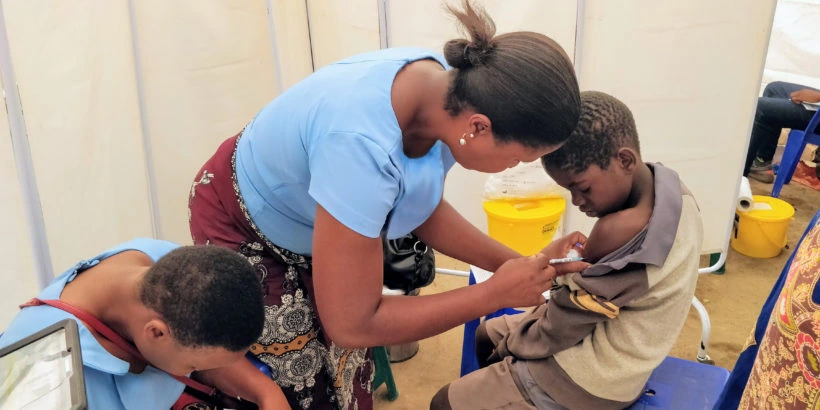
- Vaccination: Get the typhoid vaccine if you can, especially before traveling to towns or areas with outbreaks. Ask your health worker about booster shots.
Community and Family
- In many villages, elders and community leaders (chiefs, headmen, or religious leaders) are respected. Listen to their advice about health, but also encourage them to support clean water, toilets, and vaccination for everyone.
- Traditional healers are important in many communities. If you visit a healer, also ask them to refer you to a clinic for testing and treatment if you have a fever or stomach pain.
Typhoid fever is common but can be stopped. Protect yourself and your family by drinking safe water, keeping clean, getting vaccinated, and seeing a doctor quickly if you have a fever or stomach pain. Early treatment saves lives and stops the spread of typhoid.
Related Topics
- World Health Organization (WHO). Typhoid Fever Fact Sheet. 2023.
- Centers for Disease Control and Prevention (CDC). Typhoid and Paratyphoid Fever. 2022.
- Africa Centres for Disease Control and Prevention (Africa CDC). Typhoid Prevention Guidelines. 2023.
- UNICEF. Water, Sanitation and Hygiene (WASH) and Disease Prevention in Africa. 2021.
- UK National Health Service (NHS). Typhoid Fever – Symptoms, Treatment and Prevention. 2023.
Key Messages
- Typhoid fever is a serious illness caused by Salmonella Typhi, spreading mainly through contaminated water and food, especially where sanitation is poor.
- Symptoms include high fever, headache, stomach pain, and sometimes a rash; early medical testing is crucial because symptoms can resemble malaria.
- Proper antibiotic treatment, rest, and drinking safe fluids are essential for recovery; do not self-medicate or stop treatment early.
- Prevention relies on boiling or filtering water, eating well-cooked food, handwashing, using toilets, and getting vaccinated if possible.
- Community leaders and traditional healers play a role in health education, but clinic or hospital visits are necessary for diagnosis and treatment.