
Author's details
- Hakim A Abubakre
- BA (Hons) International Business Management, Msc Digital Marketing.
Reviewer's details
- Dr. Khashau Eleburuike
- MBBS (Ilorin) MSc. Global Health Karolinska Institute.
- Resident doctor in family medicine in Northen Sweden.
- Date Published: 2025-08-28
- Date Updated: 2026-03-31
Diarrhoea: Symptoms and Prevention
Key Messages
- Diarrhoea is a leading cause of death in children under 5 in sub-Saharan Africa, mainly due to dehydration.
- Key danger signs include blood in stool, high fever, severe dehydration, and persistent vomiting. Seek medical help immediately if these occur.
- Treat diarrhoea at home with oral rehydration solution (ORS), zinc for children, continued feeding, and good hygiene.
- Prevent diarrhoea by washing hands, drinking safe water, using toilets, cooking food well, breastfeeding, and vaccinating children.
- Diarrhoea can be prevented and treated—ORS, zinc, and feeding save lives; watch for danger signs and act quickly.
Introduction
What is Diarrhoea?
- Passing 3 or more loose or watery stools per day.
- Caused by germs (stomach infection), unsafe food or water, or poor hygiene.
- It can be mild, but in children it can be very dangerous.
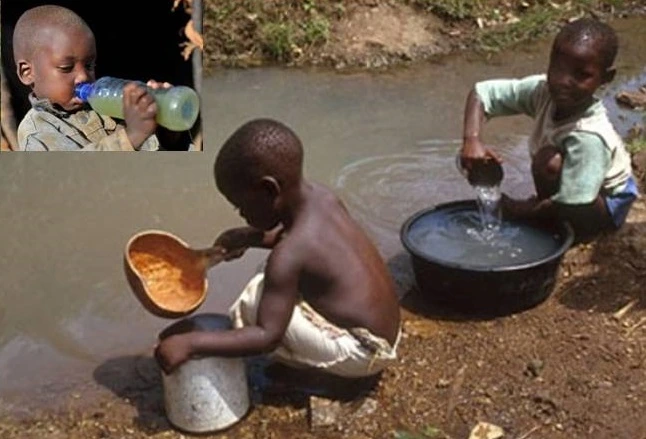
In sub-Saharan Africa, diarrhoea is one of the top causes of death in children under 5.
Discussion
Why It Is Dangerous
- Main risk: dehydration (losing too much water and salt).
- Can lead to:
- Weakness, malnutrition, stunted growth in children
- Risk of other infections
- Death if untreated
Signs & Symptoms
Common:
- Loose or watery stool
- Stomach cramps, bloating, nausea
Warning signs:
- Blood or mucus in stool
- High fever
- Dry mouth, sunken eyes, little/no urine
- Severe weakness or confusion
- In babies: fewer wet nappies, refusing to feed, green or persistent vomiting
What to Do at Home
Give Oral Rehydration Solution (ORS)
- Ready-made ORS from clinic or pharmacy
- Homemade ORS: 1 liter clean water + 6 teaspoons sugar + ½ teaspoon salt
- Give small sips often
Give zinc (10–14 days for children) – ask health worker
Continue breastfeeding and feeding soft foods
Rest and wash hands often
Avoid:
- Sugary drinks
- Spicy, greasy food
- Alcohol, caffeine
When to Go to the Health Centre Immediately
- Blood in stool
- Severe vomiting or can’t drink/breastfeed
- Severe dehydration (sunken eyes, no urine, very thirsty, drowsy)
- Diarrhoea lasting more than 2–7 days
- High fever (>39°C / 102°F)
Prevention
- Wash hands with soap & water after toilet, before eating or feeding a child
- Drink safe water (boil, filter, or use chlorine tablets)
- Use toilets/latrines (no open defecation)
- Cook food well & store it safely
- Exclusive breastfeeding for babies (first 6 months)
- Give children the rotavirus vaccine
Conclusion
Diarrhoea kills, but it can be prevented and treated.
- ORS + zinc + feeding = saves lives.
- Look for danger signs → seek medical help quickly.
- Clean water, handwashing, and safe food keep families healthy.
Related Topics
References
- World Health Organization (WHO). Diarrhoeal disease. 2023. https://www.who.int/news-room/fact-sheets/detail/diarrhoeal-disease
- UNICEF. Diarrhoea remains a leading killer of young children, despite the availability of simple treatment solution. 2022.
- WHO & UNICEF. Ending Preventable Child Deaths from Pneumonia and Diarrhoea by 2025: Global Action Plan. Geneva: WHO/UNICEF, 2013.
- Ministry of Health, Nigeria. Integrated Management of Childhood Illness (IMCI) Guidelines. 2019.
Key Messages
- Diarrhoea is a leading cause of death in children under 5 in sub-Saharan Africa, mainly due to dehydration.
- Key danger signs include blood in stool, high fever, severe dehydration, and persistent vomiting. Seek medical help immediately if these occur.
- Treat diarrhoea at home with oral rehydration solution (ORS), zinc for children, continued feeding, and good hygiene.
- Prevent diarrhoea by washing hands, drinking safe water, using toilets, cooking food well, breastfeeding, and vaccinating children.
- Diarrhoea can be prevented and treated—ORS, zinc, and feeding save lives; watch for danger signs and act quickly.